Hist ric Hartfrd Synaggues
Hartford synagogues have had many notable rabbis and cantors through the years. Some became prominent on a state or national level for writing and speaking out on a variety of issues such as racial equality, education, and Zionism while others were known for the quality of their sermons or musical talent. All served their congregations with strength, dignity and an adherence to Jewish beliefs and values.


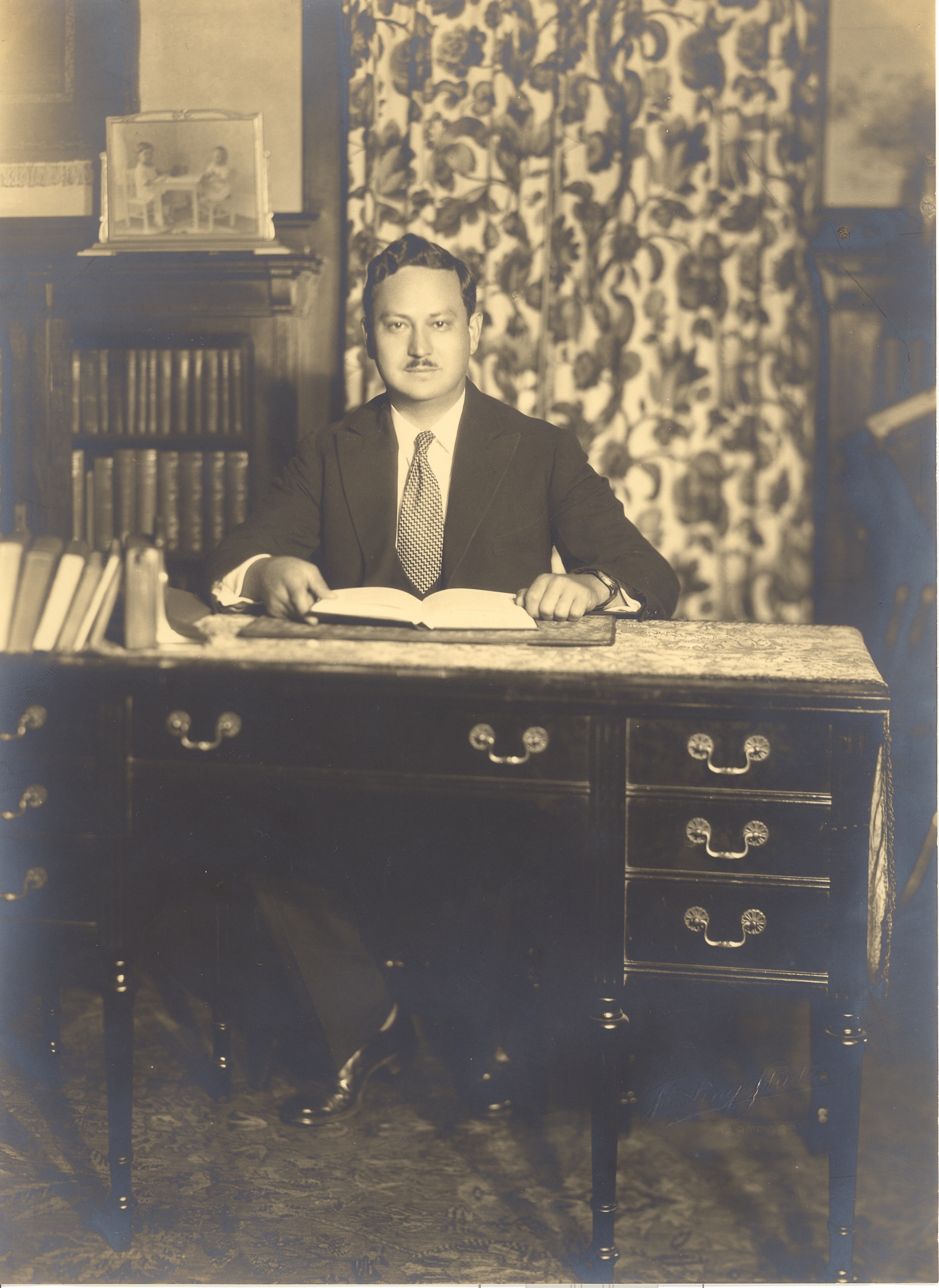
Rabbi Morris Silverman
Highlights
- 1895-1972
- Born: Newburgh, NY
- Served: The Emanuel Synagogue, 1922-1961
- Education: Ohio State University, Columbia University, Jewish Theological Seminary
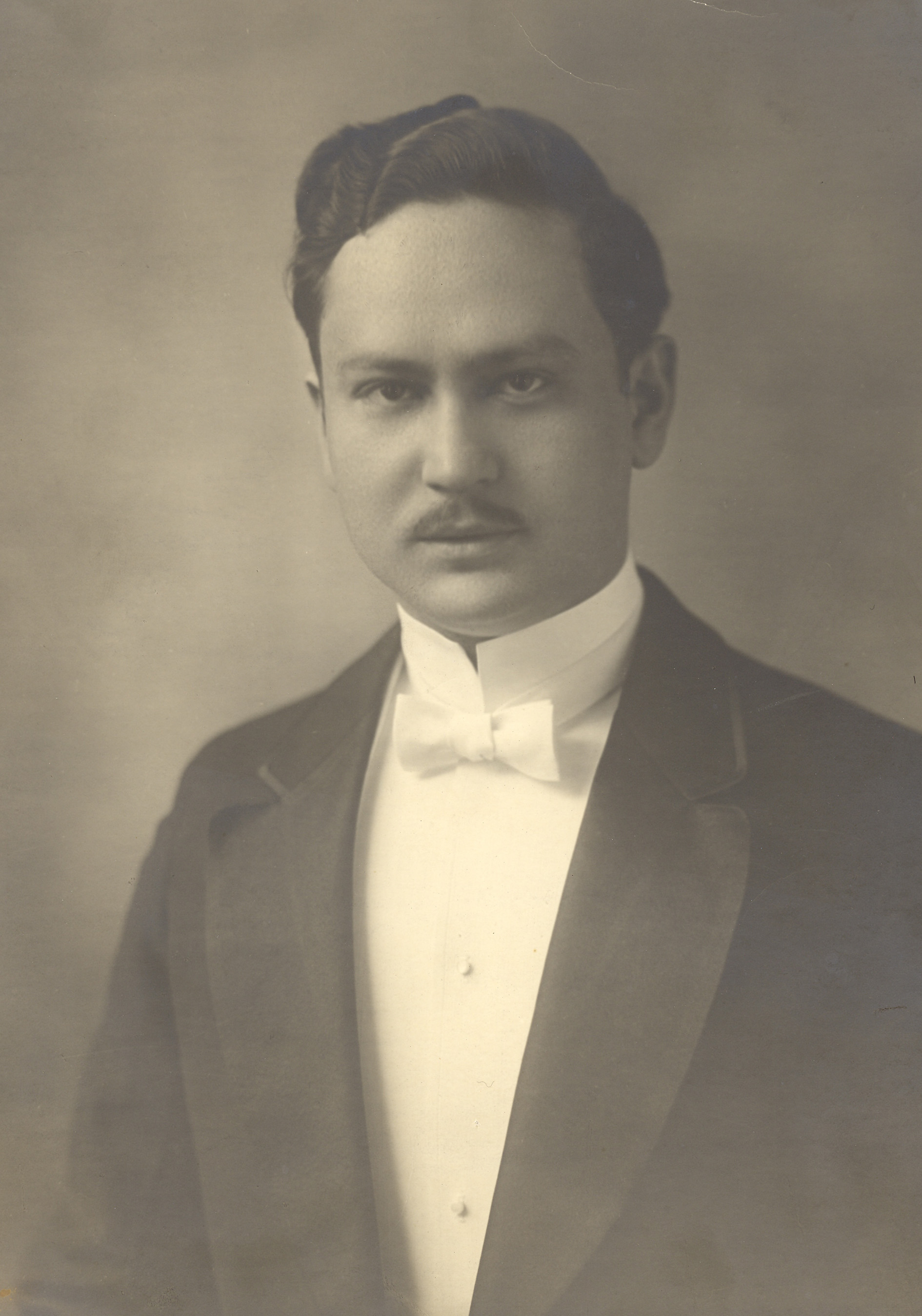
During his leadership at The Emanuel Synagogue, Rabbi Morris Silverman gained renown as an author and editor of prayer books, many of which are still being used in Conservative synagogues throughout the world. After becoming Rabbi Emeritus in 1961, Rabbi Silverman continued his research, writing and travels, and published the important work, Hartford Jews, 1659-1970, documenting Jewish life in Hartford.
After earning an M.A. in American History from Columbia University, Rabbi Silverman was ordained by the Jewish Theological Seminary of America in 1922. As a student rabbi at a congregation in Washington Heights, New York, Silverman had been highly successful in tripling the size of the congregation, starting a Hebrew school, and moving the congregation into a new home. In 1923, Silverman took over the pulpit of the four-year-old Emanuel congregation and continued to serve it for thirty-eight years, until his retirement in 1961.
In addition to serving his congregation, Rabbi Silverman became well known throughout the entire greater Hartford community for his inter-faith and civil rights support. He was Chairman of the Connecticut State Commission on Civil Rights, a founder and leader of the Hartford Association of Ministers and Rabbis, a member of the Hartford Citizens Committee on Redevelopment, and was honored by several groups for his activities in these areas. In addition to his local work, Rabbi Silverman also served the Conservative movement nationally by editing numerous prayer books and other publications. His Sabbath and Festival Prayer Book became the official siddur of the movement, and his edition of the High Holiday Prayer Book (machzor) is still in common use today. Rabbi Silverman put his degree in history to good use by writing a series of newspaper articles on the history of Hartford Jews that became the basis of his book Hartford Jews 1659-1970.
Rabbi Silverman's wife, Althea, was also active in the synagogue and community. The many pageant scripts she wrote, her book, The Jewish Home Beautiful, which arose from her Sisterhood programs on holiday and Shabbat entertaining, and her books on Jewish themes for children demonstrated her own love of writing.
The Silvermans' son Hillel also became a Rabbi. Hillel Silverman's son, actor Jonathan Silverman, is the grandson of Rabbi Morris and Mrs. Silverman.